Post 18 Transition Day
For Post 18 Transition Day / UCAS Day, I was part of a group that had a lecture given by Peter Rowley from period 1 to 2. We were taught how to write a personal statement that was unique to ourselves and some common mistakes with SPAG, structure, and content that previous year 13 students have made in their personal statements. I also learned how to structure the personal statement using the new three question structure, which I found particularly useful, as it is now easier to split academic and extracurricular achievements and interests into sections. In the lecture we also learned about how lots of extracurricular and super curricular activities could link to a personal statement, like the EPQ, work experience and readings.
As we all had different aspirations for subjects to study at university, including Architecture, Medicine, Engineering, and Economics, Peter met with each of us individually during period 3 and 4. This was to discuss any existing activities we had undertaken to add to the personal statements and what else we could do to strengthen our applications. Since I expressed an interest in studying Architecture, Peter recommended some books that I could read to improve my understanding of Architecture history and theory, and places I could visit to see how Architecture has changed over time. This was very useful in knowing how to differentiate myself from other applicants whilst simultaneously learning more about the subject I wish to study post A-Levels. Overall, UCAS day was informative and provided me with lots of new knowledge about perfecting the personal statement and UCAS application. [KT 13E]
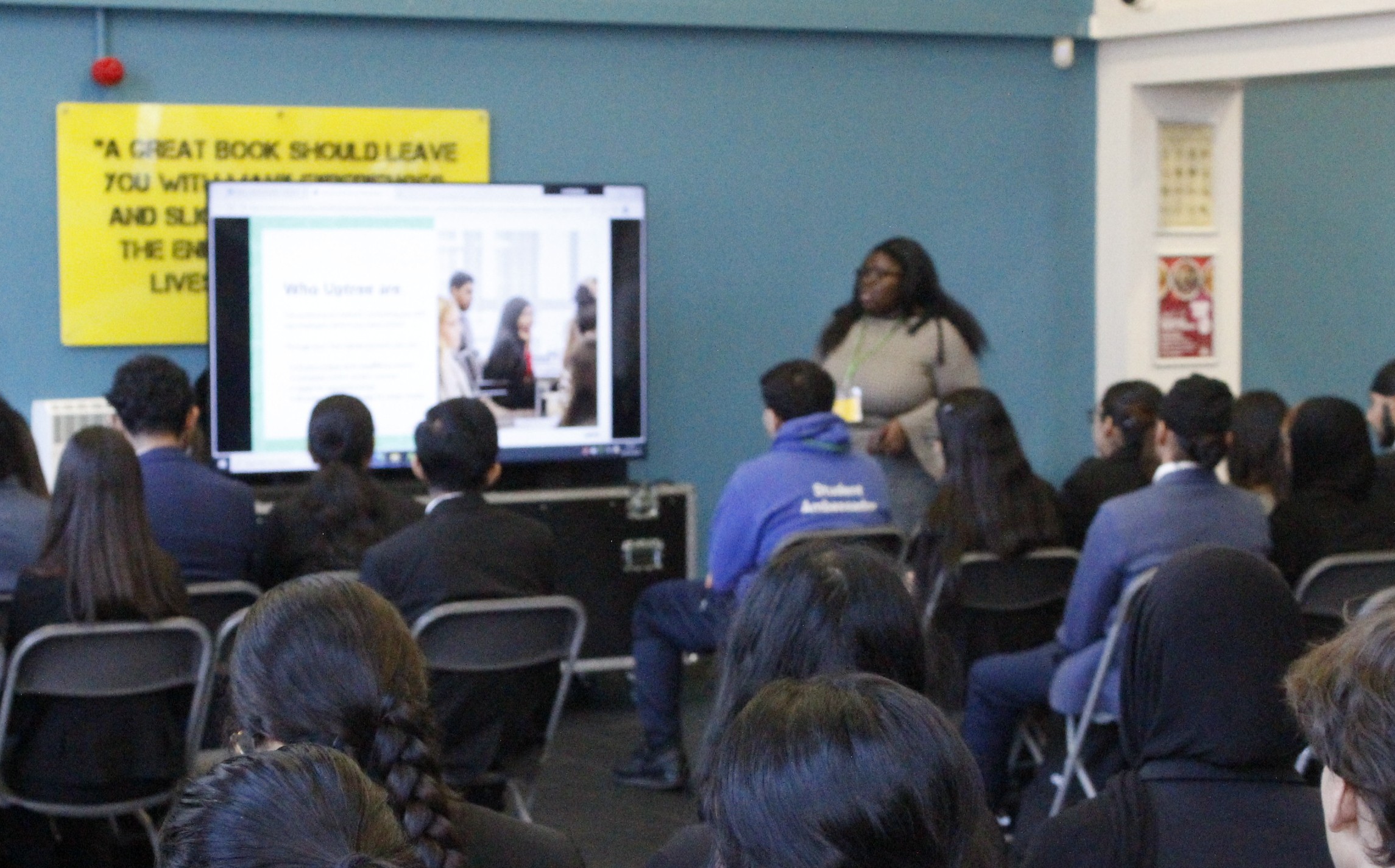
Attending Post 18 Transition Day was a hugely valuable experience in preparing me for my next steps after Sixth Form. An admissions expert from Brunel University delivered an insightful talk on personal statements, giving us expert advice on how to structure our writing and portray our strengths in a way that stands out to admissions officers. We were also able to receive a talk from Uptree, which was especially helpful for those who are considering apprenticeships, as it opened our eyes to the wide range of opportunities available outside the traditional university route, and how to make ourselves competitive applicants for them. An enlightening session on student finance from a representative working at Westminster University, which clarified details that many students find confusing and intimidating.
In addition, he gave a valuable presentation on interviews, teaching us how to present ourselves confidently and professionally. One of the most useful parts of the day, however, was the dedicated time we were given to work on our personal statements, with individuals who work in admissions from universities offering one-to-one advice. Being able to receive direct feedback from those who actually assessed the applications gave me increased confidence for my own statement and vital critiques that I was blind to, making the UCAS day an experience I will undoubtedly benefit from throughout my application. [SD 13A]