Hengistbury Head
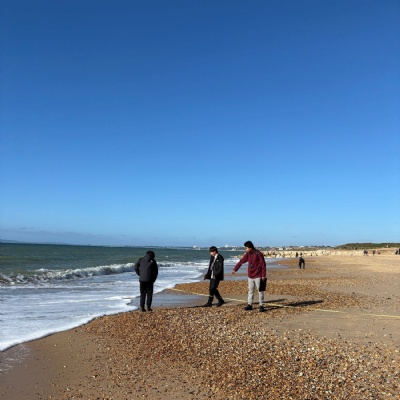
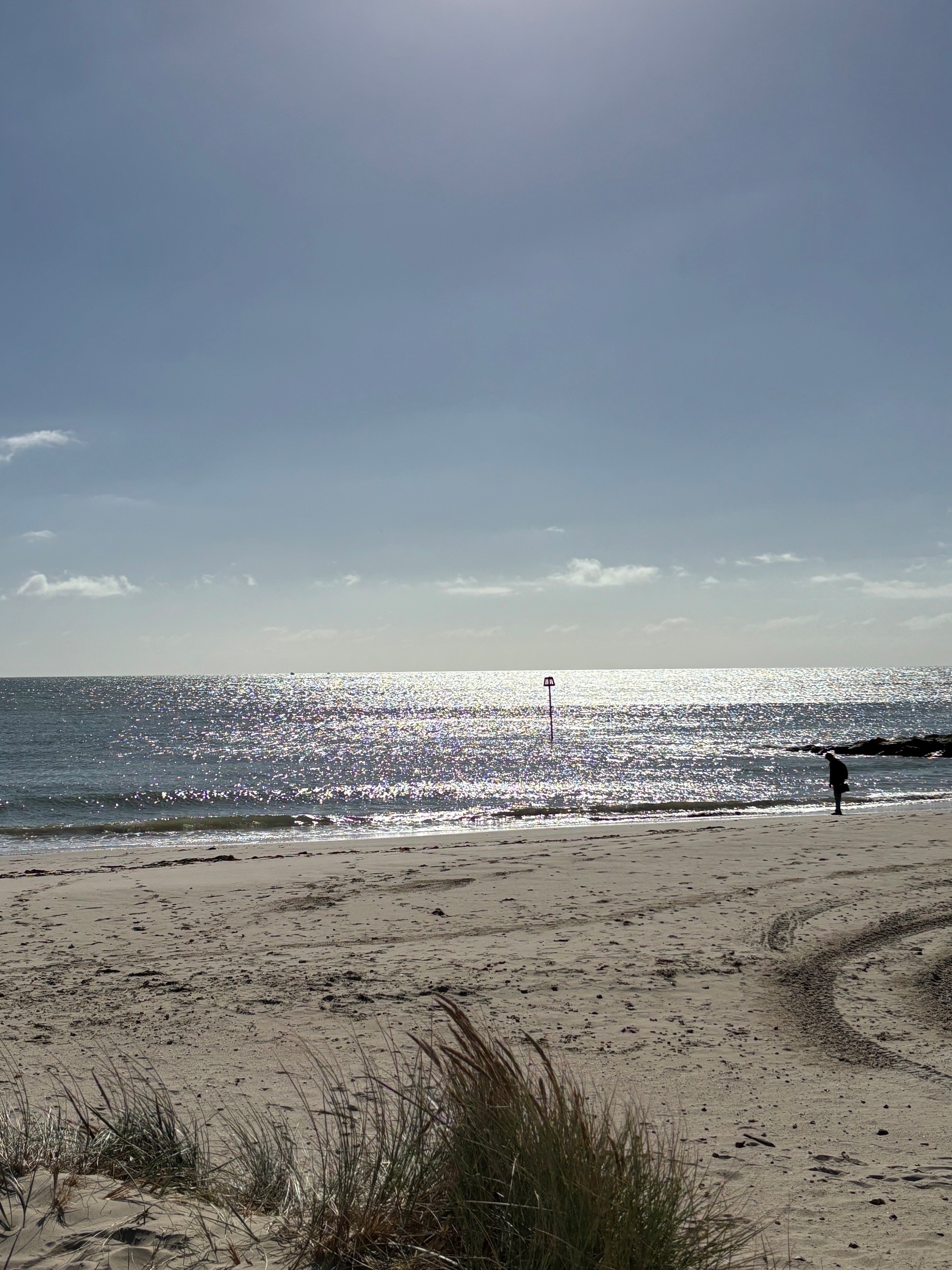
Our Geography trip to Hengistbury Head was a great chance to experience the coast ourselves. After spending two and a half hours travelling, we finally arrived at Hengistbury Head. Although the journey was pretty long, the location was easily accessible, giving us plenty of time to investigate when we arrived.
The purpose of our trip was to answer our question: 'To what extent does beach width vary?' For this we had to investigate beach width alongside longshore drift whilst exploring the different coastal managements.
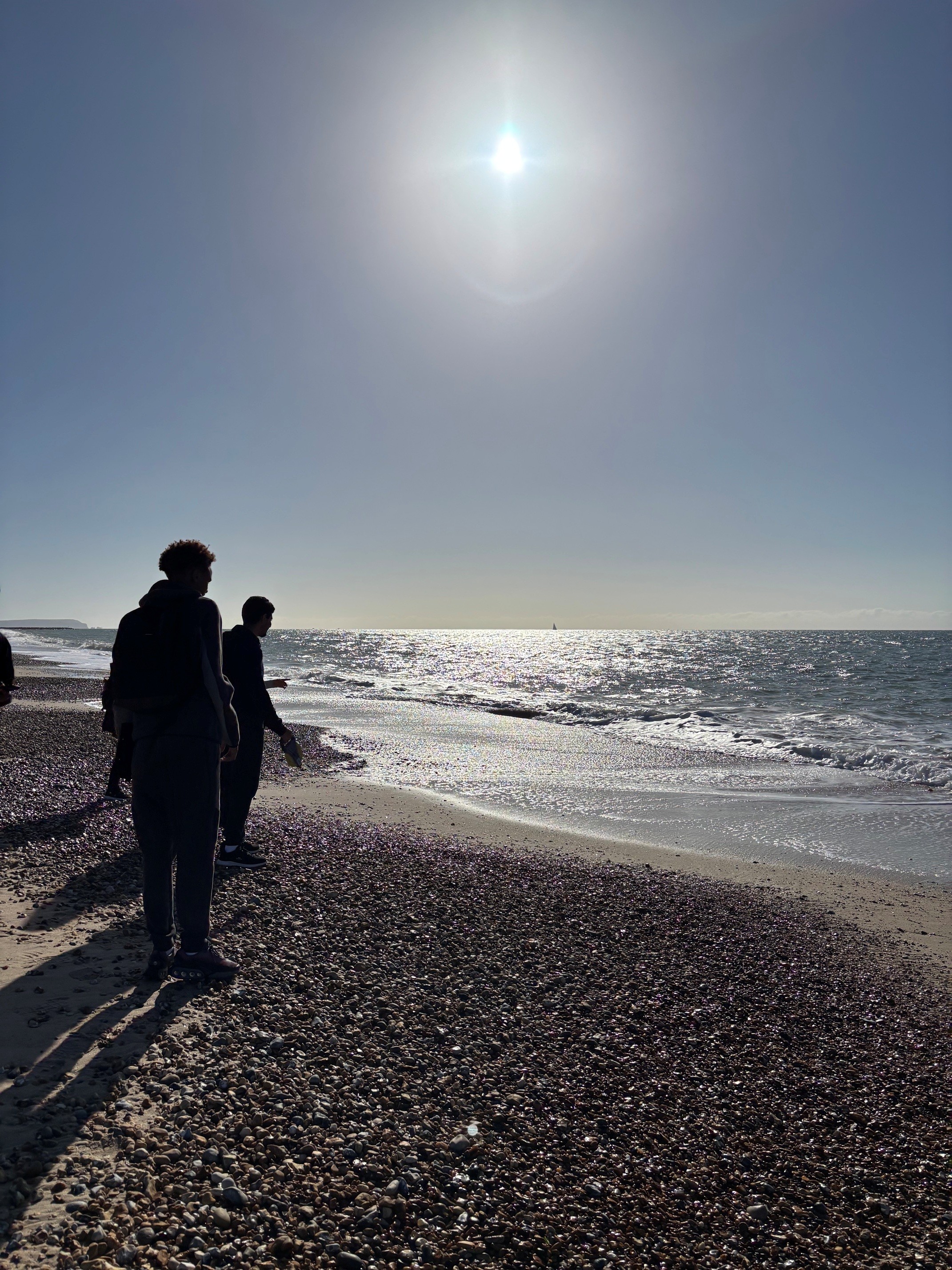
For the beach width, we measured the width at 50 meter intervals, collecting data which we compared later. For investigating longshore drift, we used an orange. We threw it into the sea and timed it for one minute to see how far it travelled. This gave us a practical way of seeing how sediment is transported along the coastline. As we were walking along the coastline, we explored the different types of soft engineering, including beach nourishment, which is adding extra sand/pebbles to the coastline when the natural sand has been eroded by the waves. We also looked at different types of hard engineering, including groynes and gabions. Groynes help trap sediment from longshore drift while gabions were cages filled with rocks, protecting the coast from erosion.
Overall, the trip was an enjoyable and useful experience, giving us the opportunity to collect our own primary data and see the coastal management up close. [ZS Y10]