Skip to content ↓

News & Events

Page 1

  • First Aid Training for Students

    Published 24/06/26

    I really enjoyed the First Aid Training, particularly learning about the different ways you can help someone in an emergency. For example, I found it useful to learn that there are several techniques that can be used if someone is choking. Although I had completed first aid training before, I still learned some new information, especially about treating burns.

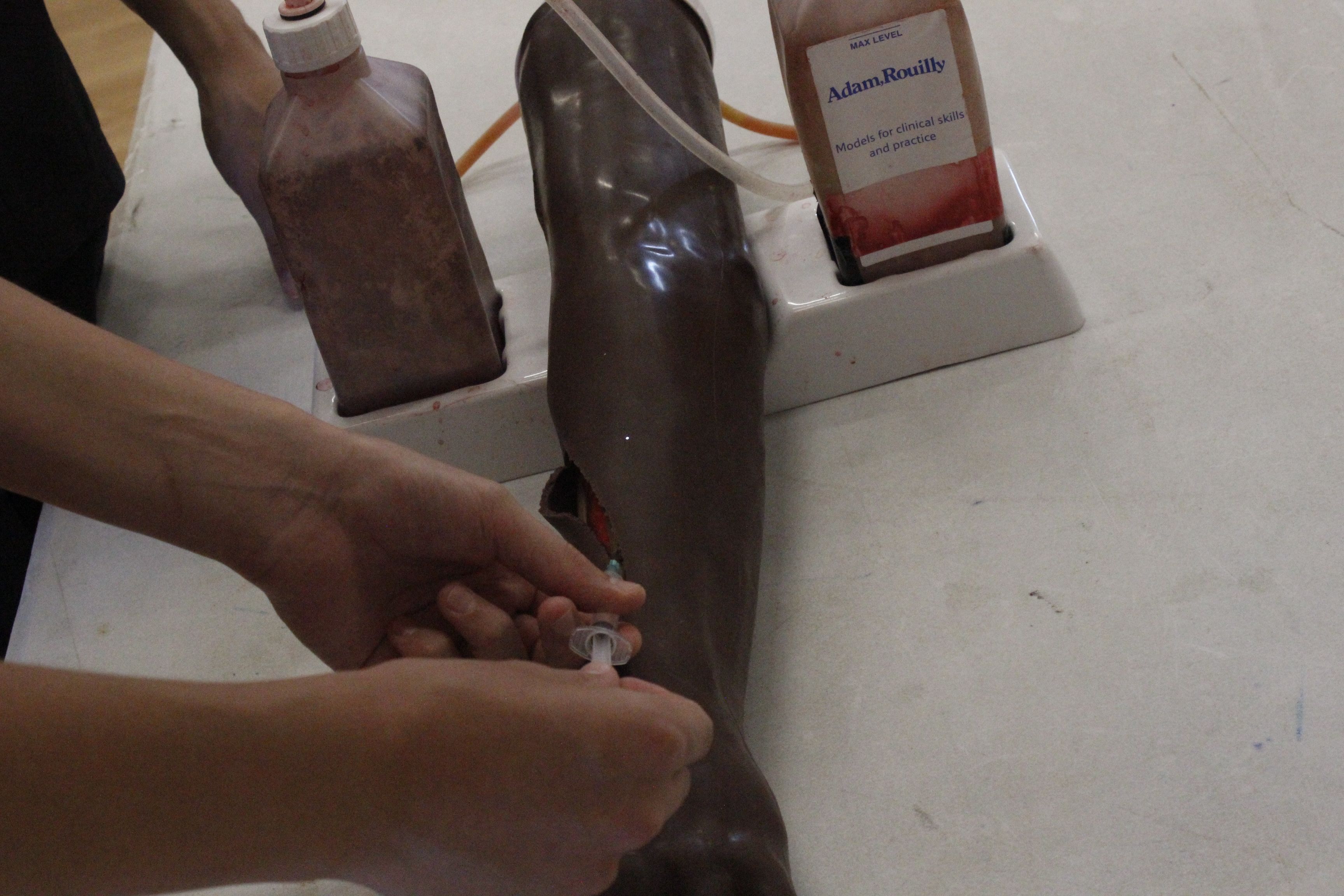
    The course did not contain anything that particularly surprised me, but it reinforced important skills that I already knew. I now feel very confident about helping someone in an emergency because I have previously used some of these skills to treat injuries and give advice to others. For example, I have learned how to apply a bandage to stop bleeding, support a suspected broken bone, and even create a makeshift tourniquet to control severe bleeding.

    I found all of the practical activities useful because you never know what situation you might face during the day. Having basic first aid knowledge can help you stay calm and make better decisions. For example, if someone is not breathing, many people may panic and forget what to do, but I feel confident that I could recall my training, apply it appropriately, and seek additional help if needed.

    I believe first aid is an important skill for all young people to learn, even if they do not plan to work in healthcare. At some point, most people will encounter someone with a serious burn, injury, or medical emergency. Knowing what to do can reduce panic, help protect both the injured person and yourself, and give you the confidence to take appropriate action. It can also provide reassurance that you did everything you could to help.

    In the future, I hope to use these skills regularly because I am interested in a career in healthcare and would like to spend some time working as a paramedic. This training is particularly valuable for healthcare careers, as it includes skills such as CPR and responding to patients who are not breathing. However, the knowledge is useful for everyone, whether that is helping a child who is choking or responding to an accident in everyday life.

    I would definitely recommend this training to other students. First aid knowledge can make people feel much more prepared if something happens to a family member, friend, or member of the public. Even if an outcome is not successful, knowing that you were able to try and help can make a big difference. In my opinion, everyone should learn basic first aid because a short training session could one day help save someone's life. Safiyah Syed

    I really enjoyed the practical side of the First Aid Training, especially practising CPR and learning the recovery position, because it made the session interactive and realistic. I learned how to respond safely in an emergency, assess a situation, and provide basic first aid while waiting for professional help. One thing that surprised me was how much difference simple first aid can make before an ambulance arrives. I was also surprised by how few people are willing to help in an emergency, which showed me why learning first aid is such an important skill. The training has made me feel much more confident about helping someone in an emergency, although I know I would still need to stay calm under pressure. I think first aid is an important skill for young people because emergencies can happen anywhere, and knowing what to do could help save a life. I would definitely recommend the training to other students as it was enjoyable, practical, and taught valuable skills that could be useful in the future. Sagal Hassan

    Taking part in the First Aid Training was actually a lot more interesting and reassuring than I had originally expected. I went in feeling unsure about what I’d be able to do in a real emergency, but practising things like CPR and the recovery position made everything feel much more doable. One moment that really stuck with me was when we learnt how to help someone who’s choking as it made me realise how quickly you might need to react in real life. I also didn’t realise how important it is to stay calm and check the situation before jumping in, and that’s something I’ll definitely remember. By the end of the session, I felt genuinely more confident, like I could actually help someone if something went wrong. I’d definitely recommend the training to other students because it makes you feel prepared rather than helpless. Maja Majewska 

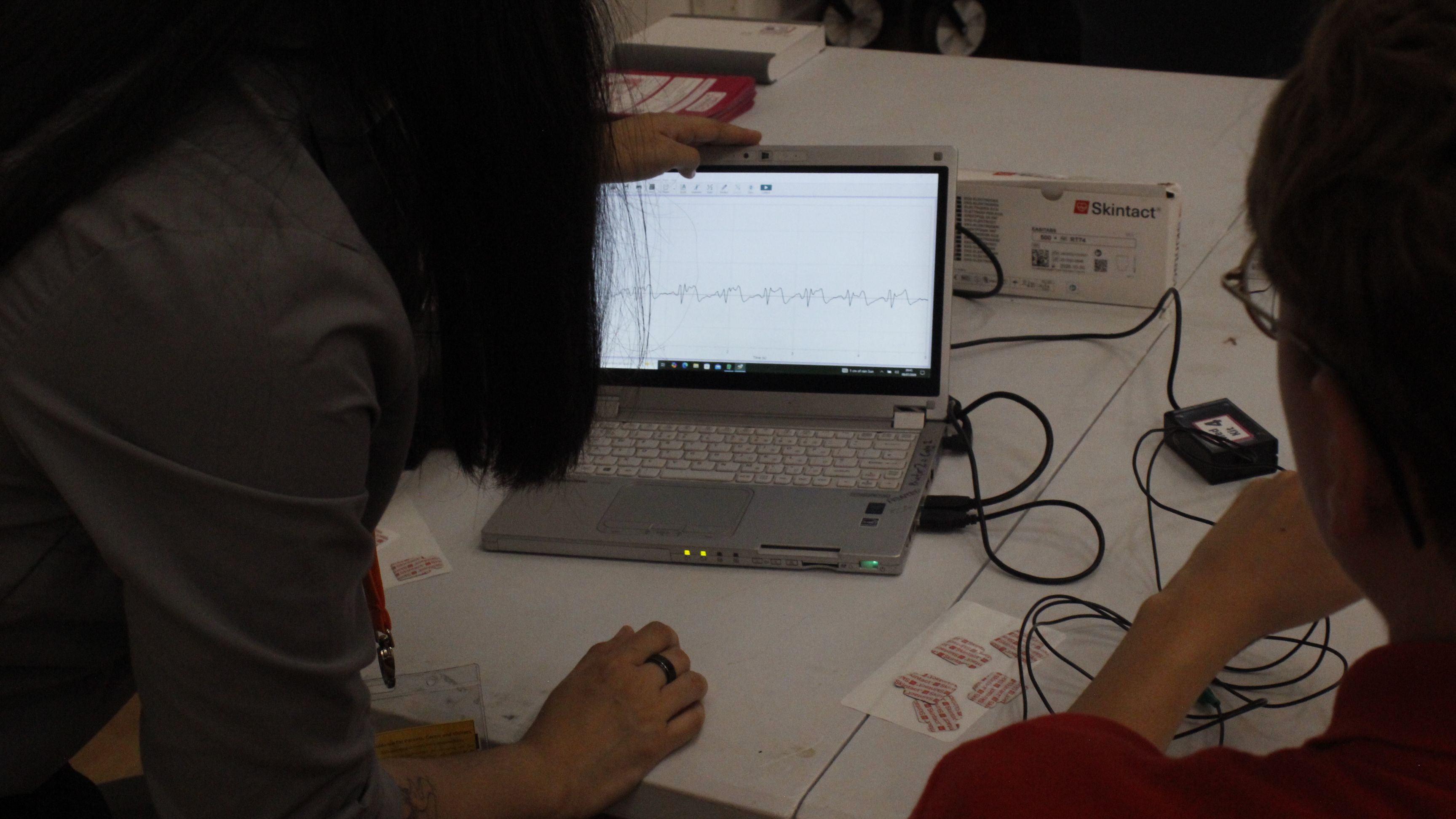
    The first aid training we received was very useful and extremely informative. We got to learn about the different symptoms of many different health issues we could face on our DofE silver expedition as well as everyday life. During this training, I learnt basic skills which are very important. For example, I learnt how to perform CPR on adults and children, as well as how many rescue breaths they may need. We used inflatable dummies to practice how to do it ourselves. I also learnt how to perform Heimlich manoeuvres on both adults and children, and how to know when to use it. We also learnt how to use a defibrillator with a live demonstration. One thing that surprised me was the variety of issues we are vulnerable to and the many different acronyms you can learn to support others. Overall, I enjoyed this training, it has taught me a lot, as well as allowed me to see live demonstrations and videos, with very good explanations. I recommend this experience to other students and even adults too, as it was a great way to explore the many different health implications people face day-to-day, the ways to spot it, and how to deal with it. We were also given our own CPR face mask keyring which is quite handy.  Ayman Ikhlef

    During the first aid training, I learnt a lot more than I expected. The part I enjoyed most was practising CPR, as it helped me understand how important quick action can be. I also learnt how to deal with choking, how to check someone’s breathing, and how to put them in the recovery position. I was surprised by how confident I felt by the end of the session. The practical activities were really memorable and made the information easier to understand. I think first aid is an important skill for young people because you never know when someone might need help. In the future, I feel I could stay calmer and take the right steps if an emergency happened around me. I would definitely recommend the training to other students because it teaches skills that could save a life. Aisha Waberi

    I really enjoyed the First Aid Training, especially learning how to put someone into the recovery position, because it was quick and easy to learn. I also learnt how to use a defibrillator and what to do if someone has stopped breathing. One thing that surprised me was how many chest compressions you have to do in one minute during CPR. After the training, I feel much more confident about helping someone in an emergency. One funny moment was when Aisha was practising CPR on the dummy and pushed much harder than she needed to! I think first aid is an important skill for young people because anyone could be in a situation where someone needs help. I will use what I have learnt if ever I need to help a family member, friend, or even a stranger. I would definitely recommend this training to other students because it teaches life-saving skills and builds confidence. Hanan Osman

    The best thing that I really liked about being part of this First Aid Training programme was its usefulness and interest. One good thing is that we learn was the practical ways of how to behave in case of any real-life emergencies and practise them by ourselves on the dummies. Some things which I learnt included doing CPR and putting a patient in a recovery position as well as learning how to stop choking. Moreover, I was amazed by the fact that such small actions are this important for saving one's life. Before this training I would not feel ready to help in emergencies, but now I do. I strongly think that it is an important skill for young people as there is always a possibility in an emergency situation happening somewhere around us. I will recommend this training to my friends definitely as it helps to master an important skill that might become useful someday. It is also important that we received plastic mouthpieces which we could carry wherever we go in case we need to give CPR. Bahara Rahimi

    Read More
  • Future Frontiers Programme

    Published 23/06/26

    For my Future Frontiers programme, I enjoyed learning about what career values and interests I hold. It was also fun and interesting to learn what those values and interests could lead to what job I want to and can do in the future. I also liked working with my coach as he told me their career path and what career I could have in the future and how I could get into it. Altogether, I enjoyed working with the people working there and seeing what values and interests I have and what job that could lead me to in the future. BA [10P]

    Over the past two weeks, I have been taking part in the Future Frontiers coaching programme with my school, based at the JM Finn office building. The experience has been extremely valuable and inspiring, as it has given me the opportunity to learn more about different careers and future pathways. One of the best parts of the programme has been the one-to-one mentoring sessions, where experienced professionals have given me personalised advice, guidance, and encouragement. The mentors were very supportive and helped me think more confidently about my future goals and ambitions. Overall, the programme has already helped me develop my communication skills, confidence, and understanding of the world of work, and I am looking forward to completing the final two weeks. LJ [10O]

    I really enjoyed taking part in the future frontiers programme at JM Finn. Over the four sessions, I had the opportunity to work with a mentor who was very lively, energetic and easy to talk to, which made every session enjoyable and engaging. The programme helped me to think more about my future options and gave me useful advice about education and careers. I felt comfortable asking questions and discussing my ideas, and each session was both informative and fun. Overall, it was a valuable experience that helped build my confidence and gave me a better understanding of future opportunities. MJ [10B]    

    The programme was beneficial as it helped me get a broader view on what to do in the future. I developed better communication skills by talking to my coach and improved how well I can express myself. Overall, the programme was eye-opening and valuable to me because it gave me a clearer idea of what I want to do in the future. TS [10P] 

    1st Session: The first session was very useful because I completed a survey that helped me discover a range of job roles. One of the roles stood out to me as particularly interesting. 

    2nd Session: I gained an insightful understanding of various job sectors in greater depth and identified the engineering field that interested me the most. 

    3rd Session: I finalised my decision and discussed the pathways and steps needed to progress towards my chosen job role. 

    4th Session: I spoke with someone who works in my desired job role and learnt about their day-to-day responsibilities. I found the role very appealing, which further reinforced my career choice. WS [10O


    Read More
  • School Tie Re-design

    Published 16/06/26

    Throughout this academic year, the Student Council have played a leading role in reviewing and redesigning the school's tie. This project provided students with an authentic opportunity to influence an important aspect of school life while learning about leadership, consultation, democracy, and decision-making.

    The process began with a series of Student Council meetings held across the year with Mr O’Hagan and Ms Jassal. Student Council representatives from each year group gathered feedback from their peers regarding the current school tie and discussed whether changes should be considered. Students shared a range of views, including ideas about modernising the design, improving school identity, and ensuring the ties reflected the values of the school community.

    Following these discussions, Student Council members reported back to the wider Whole School Council. Through these meetings, students considered the opinions collected from tutor groups and year groups before agreeing that a review of the school tie should move forward.

    This information was shared in a Student Council meeting with Ms Jassal and Ms Hall, where they decided on what criteria should be considered for designing the tie.

    To ensure all students understood why the tie would be changing, and had an opportunity to contribute, members of the Student Council developed and delivered assemblies to KS3. During these assemblies, students explained:

    • Why the tie's redesign was being considered
    • The role of the Student Council in representing student voice
    • The importance of democratic participation
    • The process that would be followed to ensure every student had a chance to contribute

    The assemblies encouraged students to become actively involved in shaping a visible part of the school's identity.

    Design Competition

    Following the assemblies, students in Years 7 and 8 were invited to participate in a tie design competition. Student Council members created a clear design brief and set of criteria to guide entries.

    Designs were required to:

    • Be practical and suitable for everyday school wear
    • Incorporate school colours where appropriate
    • Be distinctive and recognisable
    • Be suitable for production as a school tie.

    Students were given time to develop their ideas and submit their designs. The response was extremely positive, with many creative and thoughtful entries received from across both year groups.

    Shortlisting the Designs

    Once all entries had been collected, the Student Council met with Ms Jassal to review every submission. Students carefully considered each design against the agreed criteria and discussed the strengths of each proposal.

    After thorough consideration, the council shortlisted the six strongest designs. These represented a variety of creative approaches while meeting the practical requirements for a school tie.

    The shortlisted designs were then shared with tutor groups in key stage 3.

      Learning About Democracy

    Before voting took place, tutor groups participated in a lesson focused on democracy, representation, and voting systems. Students explored:

    • The principles of democratic decision-making
    • Why voting matters
    • How elections and ballots work
    • The importance of making informed choices.

    This learning helped students understand that their vote would directly influence a real school decision.

    Whole-School Vote

    Following the democracy lesson, students were given the opportunity to cast a formal vote using ballot papers.

    The voting process mirrored real democratic elections. Students were able to review the six shortlisted designs before selecting their preferred option. Ballot papers were completed confidentially and collected for counting.

    The process ensured that every student's voice could be heard and that the final decision would be based on the views of the school community.


    Counting and Publishing the Results

    Student Council members took responsibility for counting the votes. Working carefully and transparently, students verified totals and ensured the process was accurate and fair.

    Once the count had been completed, the winning design was confirmed and the results were published. The Student Council shared the outcome through tutor notices, assemblies, and school communications.

    Students were proud to see that a decision affecting the whole school had been made through an enthusiastic democratic process.


    Communicating with Parents

    As the final stage of the project, members of the Student Council worked together to draft a letter to parents and carers. The letter explained:

    • Why the tie redesign project had taken place
    • How students had been consulted
    • The design competition process
    • The democratic vote
    • The winning design and next steps.

    This communication celebrated the significant contribution made by students throughout the project and demonstrated the school's commitment to student leadership and student voice.

    This project has been an excellent example of meaningful student participation. From gathering feedback and presenting assemblies to organising voting and communicating with parents, Student Council members have demonstrated leadership, responsibility, teamwork, and commitment to improving their school community.

    Most importantly, students have experienced democracy in action and have seen first-hand how their ideas and votes can influence decisions that affect the whole school.

    This process has shown the power of the student voice at Heston Community School, with students leading a project from initial consultation through to final decision-making and implementation.

    LB [7B] – Student Council: We were all stood eagerly waiting in line for our turn to choose which tie design we preferred. Despite the fact that many people wanted our basic tie design or something completely different, our minds were completely set on this momentous occasion where we got to express our opinions rather than everything being done for us without us having an opinion.

    I contributed by sharing my ideas and giving an idea of boundaries and rules and how it would be nice if we could influence our PSHE lessons where we learnt about democracy.

    AU [7P] – Student Council: My experience of student council allowed me to develop my skills of communication, coordination and listening by participating in discussions, listening carefully to the other members of the Student Council and working towards a goal. The main change of this academic school year was the re-design of our ties. We gave students the opportunity to design their own tie as a chance for it to be the new tie for the whole school. There were rules for submitting the ties such as deadlines and the tie required the school tie on the top part of the tie. From the hundreds of ties submitted, we narrowed them down to only 6. From there, we gave all the students a chance to vote out the 6 ties and Y7 had a lesson about democracy, as it links to students being able to have a chance to vote. Being on the Student Council allowed me to listen to the different views and opinions of students all around the school who also want to make positive changes to our school.

    Read More
  • DofE Gold Award

    Published 28/05/26

    Ben Rixon [Y13] was invited to a Buckingham Palace Garden party, in recognition of the 70th anniversary of the charity, to receive his Duke of Edinburgh's Gold Award.

    Ben has also contributed significantly to this year's DofE expedition. As part of the 'celebrating success' that will be launched in 2026, we are also including The Ben Rixon Award for DofE and enrichment participation at P16.


    Read More
  • Y7 Rounders Victory!

    Published 28/05/26

    Year 7 Rounders Team Secure A Fantastic 10–4 Victory Over The Heathland School

    Our Year 7 rounders team delivered an outstanding performance last week, securing an impressive 10–4 win against The Heathland School in a match full of energy, teamwork, and skill.

    From the very first innings, our team showed confidence and determination. Strong and accurate batting from Sharon and Mansirat allowed them to score quickly, with several well-placed hits sending the opposition fielders under pressure. The team demonstrated excellent communication when running between posts, in particular Raisam, Ariana and Sonam making smart decisions to build a lead early in the game.

    On the field, the team were equally impressive. Sharp catching, quick thinking, and accurate throwing limited The Heathland School’s scoring opportunities. Several key players made crucial outs at important moments, which helped maintain control of the match throughout.

    What stood out most was the team’s excellent teamwork and positive attitude for their first game of the season. Every player contributed, supporting one another and showing great sportsmanship from start to finish. Their focus and effort paid off, resulting in a well-deserved victory.

    A huge well done to all players involved – we are incredibly proud of your performance!

    We look forward to seeing the team continue their success in upcoming matches after half-term.

    Team: Leyla, Mansirat, Jiyana, Sonam, Sharon, Raisam, Sargun and Ariana.

    Read More
  • Y9 Brilliant Club Graduation

    Published 19/05/26

    Recently, I had an incredible opportunity to visit the University of Oxford for a graduation ceremony organised by The Brilliant Club. We spent the day at Christ Church College, and it was an experience I won't forget.

    The day began with an introduction alongside other schools to discuss our projects and share what we achieved. After that, we went on a campus tour to explore the historic buildings and get a feel of what it's like to be a student there.

    The trip ended at the graduation ceremony to celebrate our achievements, with many other schools across the UK that were also part of the programme. Getting to have the ceremony in such a famous setting was unforgettable. Overall, the day gave me a great insight into university life and has helped me see university as a path for my own future.  [RF]

    Ever since I was introduced to the Brilliant Club, I've been rewarded with a great amount of knowledge and key skills that will help me with my future and assist me in my future career. I always want to show my gratefulness and gratitude to the Brilliant Club for aiding and excelling my academic learning. It was a wonderful experience and I hope to get further opportunities as it is a one-in-a-lifetime experience. [YA]


    Read More
  • Duke of Edinburgh Practice Expedition

    Published 12/05/26

    Reflecting on the DofE practice expedition, I was able to develop confidence in my navigation skills and learn to trust myself even if it was difficult to.  And adapt to being in an unfamiliar environment. One of the most challenging moments was the long walk back from the Co‑op checkpoint to the campsite on the first day, arriving at the camp where tiredness and exhaustion while carrying my heavy rucksack tested my resilience, but we kept going by managing our pace. Even when we got lost, we still pushed through, which I think taught me an important life lesson [NN Y12]

    Upon reflection, the DofE practice expedition enabled me to develop my communication skills and improve my navigation skills, as that was something I struggled with at the start of the practice expedition and I was also able to improve my problem solving skills. Instead of panicking during stressful or difficult situations, I was able to think carefully and to solve them on my own. One thing that I liked was the change of environment/scenery as it allowed me to learn to adapt to different environments and stay ambitious and resilient [AW Y12]

    On Friday, we started off by reaching the skate park successfully but took the wrong route, not following the map correctly. This was a huge disappointment to us as we thought we had successfully managed to follow our route. However, Mr Ghataura informed us we went in circles for about 3 hours! We did have a nice pit stop at a park a few feet from the skate park where we ate our lunch and went on the swings, which made us really enjoy having come to the expedition!
    Having gone in circles the first day, I was motivated to document our route & stops for Saturday. With emotions running both low [from the lack of sleep due to the cold conditions] and high [determination to get to our checkpoints with a route we designed] we started our route and knew we followed the route 90% correctly this time as I documented the timings and the road names when we entered and left. Sadly, we encountered a carcase of a deer. We left a flower nearby to pay our respects, which helped us a little bit overcome the traumatic site. [AB Y12]

    On the morning of Friday the 01 of May, we were to set off for our DofE practice expedition, I felt a sense of both nervousness and unease. We brought journals to record our emotions throughout different parts of the expedition, as that was our team goal. On the coach ride there, I was more at ease since I was able to interact with my teammates. We played card games and did some drawing, and that allowed me to relax a bit. After we set off upon arrival to the parking lot [with a few hiccups], I felt somewhat confident. Overall, the Friday route was alright. Along the route we had some difficulties, but it wasn’t a bad first impression of the hike and the ones yet to come. We arrived at the skate park and met up with groups 4 and 6, saw the minivan pull up into the local parking area and were taken to the campsite. The time at the campsite was amazing. Our team was able to relax, get some food, set up our tents and other necessities. It was nice to interact and socialise with everyone there. [VH Y12]

    During the expedition, I motivated my team throughout the journey, so we did not give up and got further along the route that we had taken. At times, we were tired and exhausted, but we kept pushing through. Our team goals had us assessing the nature of the environment and the paths we took. When assessing these goals in our expedition, I noticed that some paths were small and hard to notice. Using the map, we could see the path, but when we got there, we had to work hard to find the path we were looking for as it blended into the environment, making it hard to spot. It took us some time to find the paths, but we got there in the end. When we did find the paths, the majority of the paths had no letters and were clean. [OG Y12]

    Read More
  • UCL Tour ​​​​​​​​​​​​​​​​​​​​​

    Published 07/05/26

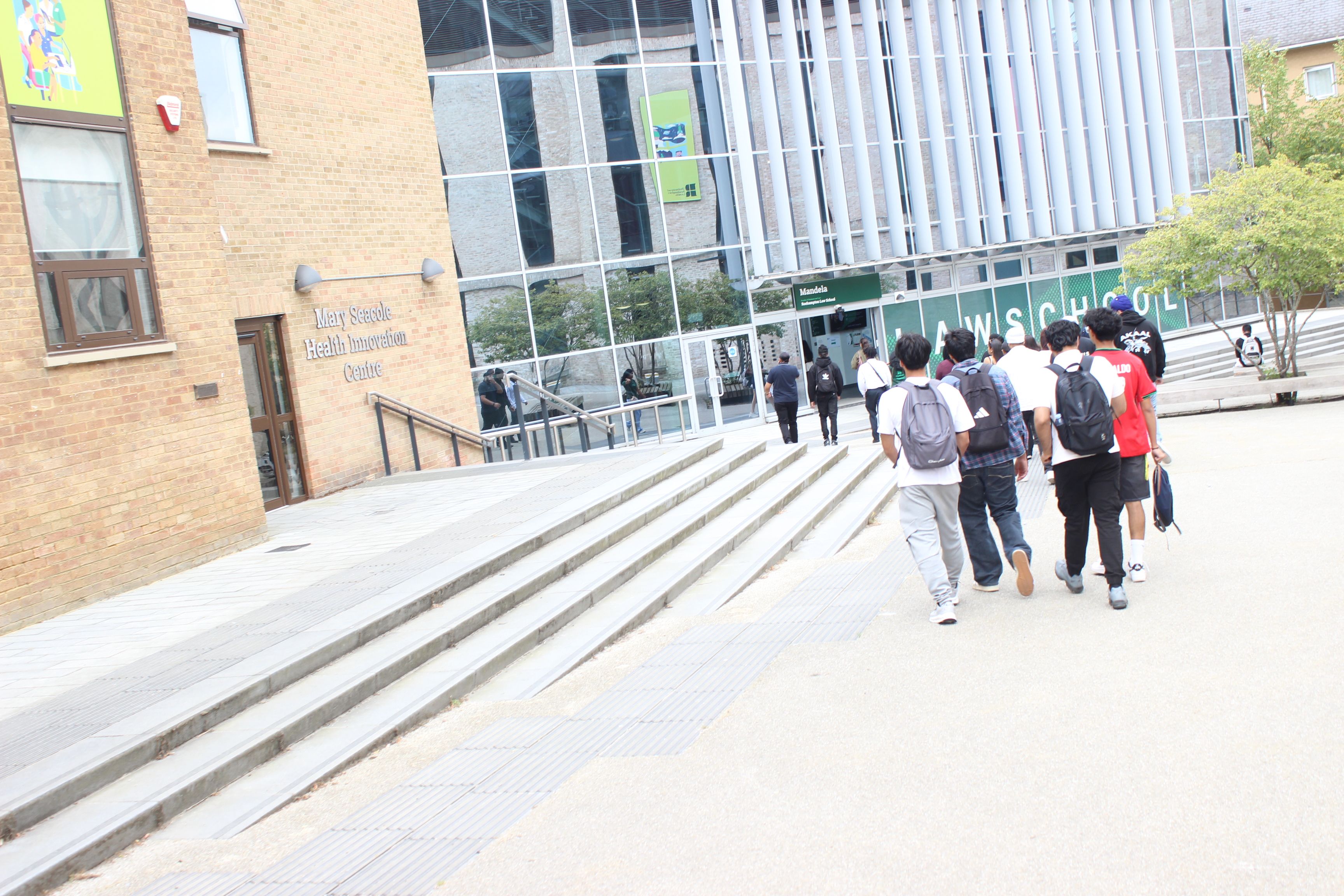
    Today, I had the fantastic opportunity to visit 6-7 department libraries at University College London [UCL], one of the UK’s most prestigious universities. I explored the impressive facilities, gaining a real insight into university life and the incredible academic resources available to higher education students. The visit sparked my curiosity and ambition, giving me a glimpse of what my future could hold if I continue to work hard and study for my A-levels. To round off a wonderful day out, I enjoyed a well-deserved pizza, making it a truly memorable and enjoyable experience. I hope trips like this inspire fellow students to dream big and set their sights on exciting futures ahead!

    Taranveer Johal, [13E]

    Visiting UCL was a genuinely inspiring experience that gave me a real insight into student life at a top university. Walking through the historic campus and exploring the libraries, I was struck by the atmosphere of focus and ambition – it felt like a place where ideas are constantly being challenged and developed. The blend of traditional and modern academic facilities made the environment both motivating and exciting.

    Spending time there allowed me to picture myself as a student, engaging in independent study and being part of such an intellectually driven community. Even something as simple as sitting down for pizza nearby added to the experience, as it gave a sense of the social side of university life and the balance between hard work and relaxation.

    Overall, the visit strengthened my motivation to pursue higher education at a leading institution and confirmed my desire to be part of a challenging, high-achieving academic environment.

    Bob Ryatt [13B]

    Going to UCL was a great experience, we got to explore the main libraries, gaining insight into life as a student there. Learning more about university life as well as walking around the campus was very informative. 

    The trip was a wonderful experience to be able to explore UCL. We were given access to the libraries and were able to see the campus going from the science library to the student union. 

    Simranjeet Kaur [13F] & Kashleen Vadva, [13G]

    Read More
  • Expressive Arts Showcase

    Published 29/04/26

    Before the Easter holidays, the Music, Dance and Drama departments organised a phenomenal showcase with a variety of flawless acts. We performed a traditional style of dance, accompanied by live music played by Shaan and Dylan Gill. The crowd was taken aback by the use of instruments, such as the electric guitar, drums, dhol, piano and the captivating singers. Year 9 students also executed an infamous production of Othello, a traditional Shakespearean play, which was perfectly engaging. One of the most iconic acts was Richard Sandu enacting the legendary Michael Jackson. Overall, it was an exceptional event which gave all performers an opportunity to express their talents with their determination. The audience was mesmerised by every single act and the hard work they put in. Thank you to all those who took part and were involved!

    Jaania Kanvar [11Y] and Jaya Dhillon [11B]


    Read More
  • FA Barclays Game On – Go Lead Girls’ Football Event

    Published 27/04/26

    Recently, a group of our Year 7, 8 and 9 girls had the fantastic opportunity to attend the FA Barclays Game On – Go Lead leadership event, held at Springwest Academy. The event was designed to empower girls through football and to inspire them to become confident leaders both on and off the pitch.

    Throughout the day, our girls took part in an engaging mix of interactive workshops and practical football activities, all focused on developing leadership skills, confidence, teamwork and communication. The girls explored what it means to be a Football Activator, learning how to design, organise, officiate and deliver football activities for others.

    One of the highlights of the event was the opportunity for the girls to take ownership of sessions, working collaboratively to plan and lead activities while supporting and encouraging one another. The programme also helped them to recognise potential barriers to girls’ participation in sport and to develop strategies for making football more inclusive and enjoyable.

    The experience gave our students valuable insight into leadership roles within sport, allowing them to see how their skills can be applied in school, in the community and beyond. They returned inspired and motivated, with a clear vision of how they can continue to promote girls’ football and lead activities for their peers. This was an empowering opportunity that showcased the confidence, enthusiasm and leadership potential of our students. We are incredibly proud of how our girls represented the school and look forward to seeing how they put their new skills into action back at school. 


    Read More
  • UCAS Day 2026

    Published 20/04/26

    I’m interested in going into business, especially the financial side, because I study Business at school and enjoy working with numbers, analysing information and understanding how companies make financial decisions. I’m considering becoming a financial accountant or going into management for high-end car brands.

    I’ve chosen this pathway because I like problem-solving and seeing how financial decisions impact real businesses. My strengths include organisation — I manage my tasks well and meet deadlines — and communication, as I can explain my ideas clearly, which is important when presenting financial information.

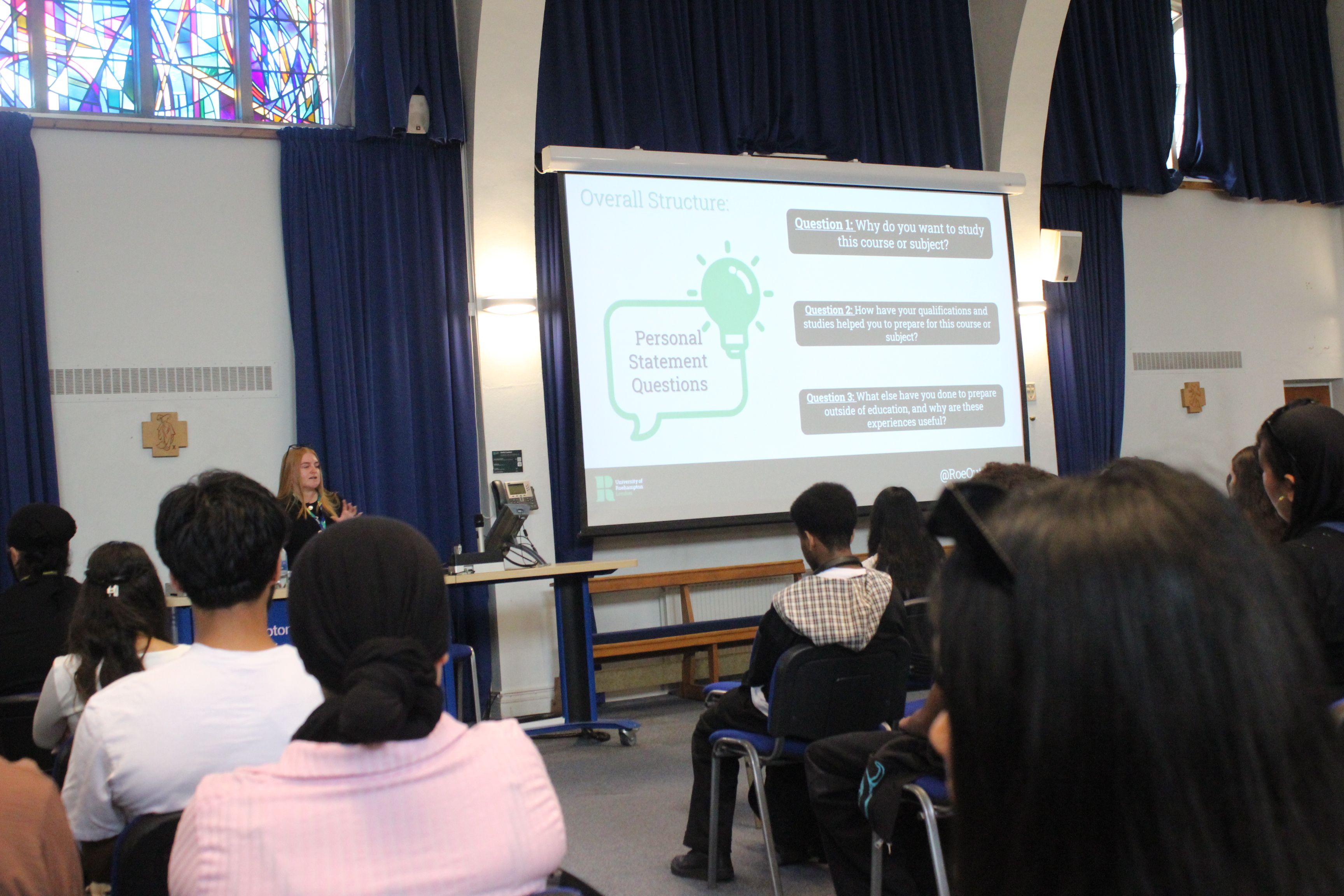
    I’ve been researching accounting careers and attending virtual events with companies like PwC, Lloyds and BDO, which have given me more detailed information about the role. UCAS Day was also really helpful because it showed me the different qualifications and routes into finance, which helped me understand what I need to do next.

    My next steps are to find a good company to work with and hopefully secure a placement, as well as completing an introductory accounting course to build my knowledge.

    Maria Beigi – Business & Finance Pathway

    I’m interested in something related to finance, possibly becoming an accountant. I’ve chosen this path because I want to gain practical experience while developing skills that are useful in many industries. I enjoy working with numbers and understanding how money is managed in real businesses. I’m also interested in how financial decisions are made and how they affect the success of an organisation. I like the idea of earning money while learning and gaining real-life experience instead of only studying in a classroom.

    I believe I have strong attention to detail, good organisation, time management and clear communication skills. I’ve completed virtual experiences on Springpod and Unifrog activities related to business and employability. I’ve also researched different finance apprenticeships and their entry requirements. UCAS Day helped me understand the different routes available in finance.

    My next step would be to watch a video or documentary about finance careers, such as “A Day in the Life of a Finance Apprentice.” One clear goal for the next 3–6 months is to complete an online finance course and build a small portfolio of notes and activities to support future apprenticeship applications.

    Zubaida Malik – Finance Pathway


    I have chosen to pursue Biomedical Sciences because I’m interested in understanding the root causes of diseases rather than only treating the symptoms. Many science students go into medicine, but I want to focus on how illnesses develop and contribute to future medical breakthroughs.

    UCAS Day helped me understand the different pathways within biomedical sciences and how universities structure their courses. To explore this career further, I’ve looked into different sub‑sections such as haematology and developed skills like precision and accuracy through my science subjects, especially chemistry.

    My next steps are to continue researching universities, complete relevant activities on Unifrog, and revise consistently so I can work towards this pathway with confidence.

    Najma Noor – Biomedical Sciences Pathway

    Read More
  • Working Options in Education - Accountancy Talk

    Published 20/04/26

    On Friday, 27 March, we listened to an accounting talk delivered by a professional currently working in the industry. He explained what his job involves on a daily basis and gave us an honest look into what a typical day in his role looks like. He also spoke about the key skills needed to succeed in accounting, such as attention to detail, communication, problem-solving and the different routes students can take to enter the profession. Hearing this made me reflect on what extracurricular activities I could take up to help develop those skills further. I found the talk interesting because it gave me a clearer insight into the accounting sector and opened my eyes to the wide range of career paths available within it. It also helped me think more seriously about whether accounting could be a future option for me and what steps I might need to take next.

    Kamran Merchant [12G]

    I found the talk quite informative as it gave me a much clearer idea of what working in public relations/accountancy is actually like. He explained how important communication, confidence and quick thinking are in his job and gave us a short example by giving us the task of trying to promote a new product from Nike. I found it interesting hearing real examples of situations he had handled. It made the role seem fast-paced but also really creative, which I didn’t expect. Overall, I found it inspiring; it helped me understand a career path I hadn’t considered before. 

    Nusayba Kasmi [12C]


    Read More

Page 1